Finding Peace: What Defines a Calm Senior Living Community
What Does a Calm Senior Living Community Actually Feel Like?
When families first start looking into senior housing along the Gulf Coast, the terminology can blur together. Assisted living, memory care, respite care, each phrase points to a different level of support, but the everyday experience inside those walls varies a great deal. The difference between a place that feels like a clinical stopgap and one that genuinely supports elderly wellness often comes down to atmosphere. Not the paint color or the landscaping, but the baseline energy. A truly calm senior living community is not about silence or inactivity. It is about a purposeful quiet that allows residents to feel secure, oriented, and respected.
I have spent years evaluating care environments, and I can tell you that the best ones share a subtle quality. They do not shout their virtues. Instead, they create a setting where staff-to-resident ratio, thoughtful design, and consistent routines combine into something almost invisible: peace of mind. For anyone exploring options in Florida retirement areas like Venice FL, understanding what makes a place calm versus merely quiet can save a lot of heartache later.
The Foundation Is Not Furniture, It Is Staffing
A homelike setting matters, but it cannot substitute for adequate staffing. The most beautifully decorated room feels empty if a resident cannot get help using the bathroom within a reasonable time. In a calm senior living community, the staff-to-resident ratio is high enough that caregivers are not rushing from call to call. That ratio directly affects the noise level, the stress level, and the quality of interactions.
When I visit communities, I watch how staff members speak to residents. Do they make eye contact? Do they sit down at eye level? At places like Magnolia Gardens, where person-centered care is the operating philosophy, you see staff who know each resident’s name and history. They know who likes their coffee black and who prefers it with cream. That kind of familiarity only happens when people are not stretched too thin. It also reduces the kind of anxious calling out that happens in understaffed facilities. A calm environment is not just a design choice; it is a direct result of adequate, compassionate staff.
Memory Care Demands a Different Kind of Quiet
Dementia care requires an especially careful approach to environment. Residents with memory loss can become agitated by sudden noises, confusing layouts, or even the wrong color contrast on a wall. A calm senior living community that offers memory care will have dedicated spaces designed to reduce overstimulation. That might mean soft flooring, indirect lighting, and clear sightlines to common areas so residents do not feel lost.
At the same time, calm does not mean empty. Activities of daily living are structured but flexible. A resident might join a morning stretching group or simply sit in a sunlit corner folding towels. The key is that the schedule matches the person, not the other way around. I have seen memory care units where staff rush residents through meals to hit a schedule, and the result is constant low-grade agitation. The better approach, used by facilities that emphasize elderly wellness, is to let the rhythm of the day emerge from the residents’ needs. That takes patience, training, and enough staff to make it work.
What a Quiet Environment Actually Does for Health
Senior safety is not just about grab bars and fall mats, though those matter. Safety also comes from emotional stability. When a resident feels calm, their blood pressure tends to be lower, their sleep improves, and they are less likely to wander or fall. This is not speculation; it is well-documented in gerontology research. A quiet environment, paired with licensed nursing oversight, can reduce the need for antipsychotic medications and physical restraints.
Medication management also benefits from calm. In a rushed setting, errors happen. Pills get missed or doubled. But in a setting where nurses have manageable caseloads, they can double-check their work and talk to residents about how they are feeling. That human layer of verification is something no electronic system fully replaces. It is one of the reasons I tell families to look beyond the brochure and ask about actual shift lengths and nurse-to-resident ratios.
Respite Care: A Short Stay That Reveals Everything
One of the smartest ways to evaluate a community is through respite care. A short stay, often a few weeks, gives both the senior and the family a chance to experience the daily reality without a long-term commitment. It also gives caregiver support a practical outlet. Family caregivers often burn out because they have no break. Respite care provides that break while showing what a calm senior living community can offer.
During a respite stay, pay attention to meal times. Are residents eating together? Is the food appealing? Do staff members sit and chat, or are they just clearing plates? These small signals tell you more than any tour. I have seen families decide to move a loved one permanently after a two-week respite stay simply because the resident started sleeping through the night for the first time in months. That kind of change does not come from a fancy lobby. It comes from consistent, person-centered care in a setting designed for peace.
Location and Lifestyle on the Gulf Coast
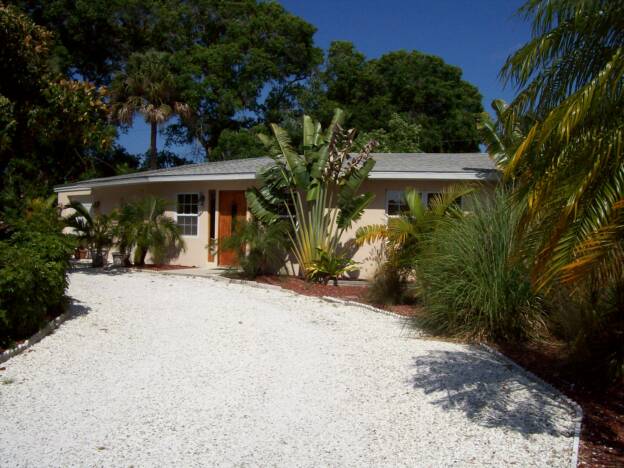
Venice FL sits on the Gulf Coast, an area known for its mild winters and access to beaches. For many families, that location is a draw. But climate alone does not make a community calm. The best Florida retirement communities integrate the outdoor environment into daily life. A garden path, a shaded bench, a place to watch birds, these features matter more than square footage. Magnolia Gardens, for example, uses its grounds as an extension of the living space. Residents can step outside without feeling exposed or unsafe.
That connection to nature supports elderly wellness in a real way. Sunlight helps regulate circadian rhythms. Fresh air reduces the spread of illness. And simply being able to walk outside without navigating a busy street or uneven pavement reduces anxiety. For families considering senior housing, the outdoor space is not a luxury. It is a component of the calm that residents need.
How to Spot the Real Calm
Here are a few practical things to look for when you visit any assisted living or memory care community:
- Listen for the background noise level. Is the television blaring? Are staff members shouting down hallways? A calm senior living community will feel noticeably quiet, even during busy times.
- Watch how staff interact with residents who are confused or upset. Do they redirect gently or do they raise their voices? The response to agitation tells you everything about the training and culture.
- Check the common areas at different times of day. Are residents sitting alone in their rooms, or are they in shared spaces? A homelike setting encourages people to come out of their rooms naturally.
- Ask about staff turnover. High turnover is the enemy of calm. Residents need familiar faces to feel safe.
- Notice the lighting. Harsh fluorescent lights create stress. Soft, warm lighting supports relaxation and orientation, especially for those with dementia.
These observations cost nothing but reveal more than any marketing video. A community that cannot maintain a quiet, respectful atmosphere during a tour will not magically become calm once you sign the papers.
The Bottom Line on Choosing Wisely
Selecting a senior living arrangement is one of the most emotional decisions a family makes. The pressure can make people settle for a place that looks good on paper but feels wrong in person. That is why I always advise families to trust their instincts after a quiet visit. If you sit in the common area for twenty minutes and feel your own shoulders relax, that is a good sign. If you feel tense, keep looking.
A calm senior living community is not a luxury. It is a basic requirement for the kind of assisted living that actually supports activities of daily living, preserves dignity, and gives families real peace of mind. Whether you are looking at memory care, respite care, or long-term assisted living, the baseline should always be the same: a place where residents feel safe enough to live fully, at their own pace.